
Wine Quality: The Foundation Begins in the Vineyard Ecosystem
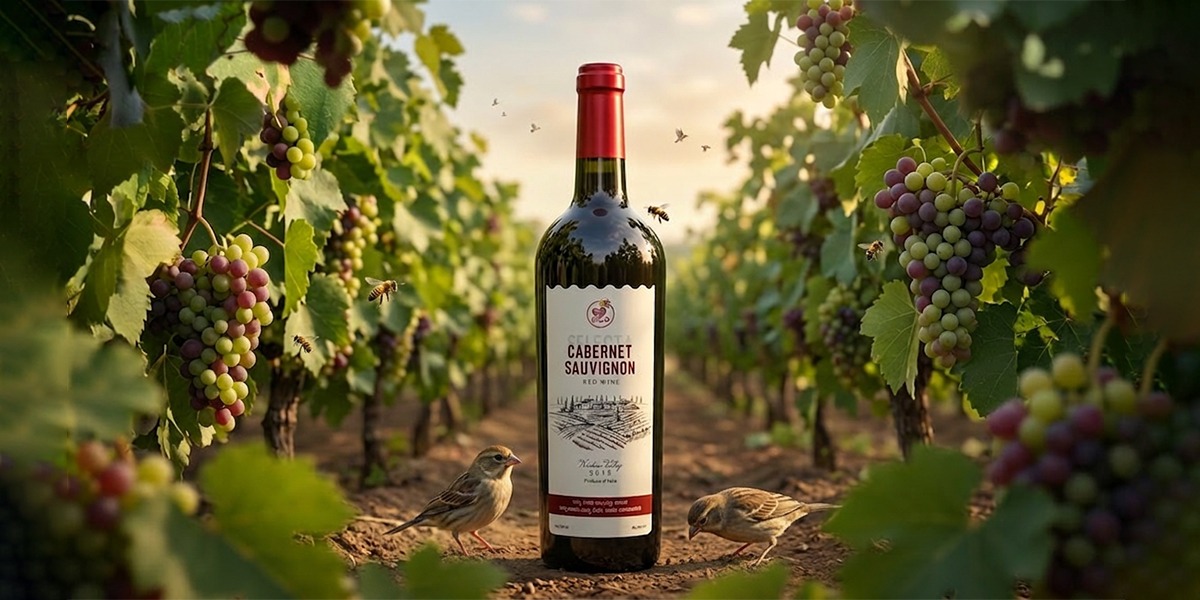
Bees play a crucial yet often overlooked role in vineyard health. While grapevines are largely self-pollinating, bees enhance the overall ecosystem by supporting nearby flowering plants that improve soil vitality. Their presence encourages diverse ground cover, which helps regulate moisture, prevent erosion, and increase microbial life in the soil. In a vineyard in Bangalore, where seasonal shifts can be intense, this natural balance supports consistent vine growth and steadier grape development.
Birds contribute in a different but equally important way. Many species act as natural pest control, feeding on insects that would otherwise damage grapevines. This reduces the need for chemical interventions, preserving the natural yeast populations found on grape skins. These wild yeasts play a role during fermentation, often adding complexity and subtle regional character to the wine. For visitors on a vineyard tour in Bangalore, spotting birds among the vines is more than a pleasant sight; it’s a sign of a healthy, living vineyard.
Wine Quality: Biodiversity Beyond Bees and Birds
Biodiversity extends beyond bees and birds to include cover crops, native grasses, insects, and microorganisms in the soil. Together, they create resilience. Diverse root systems improve soil structure and water retention, helping vines withstand heat and dry spells. This is particularly valuable for those exploring vineyards near me, as biodiverse vineyards tend to remain productive and balanced even in challenging weather conditions.
Healthier vines lead to better grapes. When vines are not overstressed by pests or poor soil, they produce fruit with better sugar balance, refined acidity, and more expressive aromas. This balance is essential for crafting wines that feel elegant rather than heavy. Biodiversity does not make wine louder; it makes wine clearer, allowing grape variety and place to speak without distortion.
Modern wine lovers increasingly seek experiences that go beyond tasting. They want to understand how nature influences flavour. This shift has turned vineyard visits into educational journeys, where guests learn how ecosystems shape wine character. Rico Wine Park & Vineyards reflects this philosophy by offering vineyard experiences that highlight the connection between nature and wine, helping visitors appreciate the unseen contributors behind every glass.
There is also a sustainability dimension to biodiversity-driven viticulture. Vineyards that rely on natural systems reduce their environmental footprint. Fewer chemicals mean healthier soil and cleaner surroundings. This approach ensures that vineyards remain productive for generations while maintaining the integrity of the land. For those searching for the best vineyard in Bangalore, sustainability and biodiversity are increasingly becoming markers of quality, not just ethics.
Birdsong, buzzing insects, and flourishing plant life may seem distant from what happens in the glass, but they are deeply connected. Wines grown in biodiverse vineyards often show greater nuance, freshness, and balance. They feel alive, reflecting the vitality of the environment they come from.
Wine Quality: A Holistic Approach to Winemaking
Biodiversity is fundamental to winemaking, illustrating that wine’s quality is not an isolated achievement. It emerges from a complex web of interactions involving plants, animals, soil, and climate. The silent contributions of native flora, birds, and bees are vital, enhancing grape quality and, consequently, the final wine’s richness. At Rico Wine Park & Vineyards, this deep appreciation for nature transforms a simple vineyard visit into a profound experience, moving beyond mere tasting to a true understanding of the wine’s origin.