
Winemaking The Balance Between Oxygen as Friend and Threat
Oxygen is both a friend and a threat in winemaking. Used carefully, it shapes aroma, texture, and complexity. Left uncontrolled, it can strip freshness and dull flavour. This delicate balance makes oxygen one of the most powerful yet risky elements in the journey from grape to glass. Understanding how oxygen works offers deeper insight into why wines taste the way they do and why patience and precision matter so much in winemaking.
During the early stages of winemaking, oxygen plays a supportive role. When grapes are crushed, limited exposure to oxygen helps stabilise colour, especially in red wines. Controlled oxygen contact also supports yeast health during fermentation, allowing yeast to work efficiently and produce clean, expressive flavours. Without this initial balance, wines may feel flat or overly reductive, lacking aromatic clarity.
As fermentation progresses, oxygen becomes something winemakers must handle with restraint. Too much exposure at this stage can lead to oxidation, muting fruit character and creating dull, tired flavours. Too little oxygen, on the other hand, can trap sulphur compounds, resulting in unwanted aromas. Managing this balance requires constant monitoring, experience, and an understanding of how each wine style reacts to air.
Winemaking and Precision in Oxygen Control Techniques
Barrel ageing introduces another layer to oxygen’s influence. Oak barrels allow minute amounts of oxygen to seep into the wine over time. This slow interaction softens tannins, rounds texture, and adds depth. Wines aged with controlled oxygen exposure often feel smoother and more integrated. This process helps explain why aged wines show complexity rather than sharpness. Learning about these stages adds depth to a vineyard tour Bangalore, where visitors begin to see winemaking as a series of carefully timed decisions rather than a single process.
Oxygen’s beneficial influence on wine is not unlimited; after bottling, too much oxygen poses a threat. Oxidation can occur due to poor sealing, improper storage, or extended air exposure once the wine has been opened. Wine loses its vibrancy and can become unpleasantly dull or nutty when this occurs. The line between development and degradation is thin, which is why oxygen management continues long after fermentation ends.
For those exploring a vineyard in Bangalore, understanding oxygen’s role transforms tasting into a more thoughtful experience. Wine aromas, mouthfeel, and finish are often direct results of how oxygen was managed at different stages. Even subtle differences in exposure can change how a wine feels on the palate, making each style distinct.
Winemaking and Subtle Oxygen Influence on Final Taste Profile
Oxygen also influences how wine ages. Wines designed for ageing rely on a precise balance of oxygen exposure to evolve gracefully over time. Controlled oxygen interaction allows flavours to deepen without losing structure. This is why well-made wines do not simply last longer but improve, revealing layers slowly rather than fading quickly. Visitors searching for vineyards near me increasingly seek this kind of knowledge, where tasting is paired with understanding.
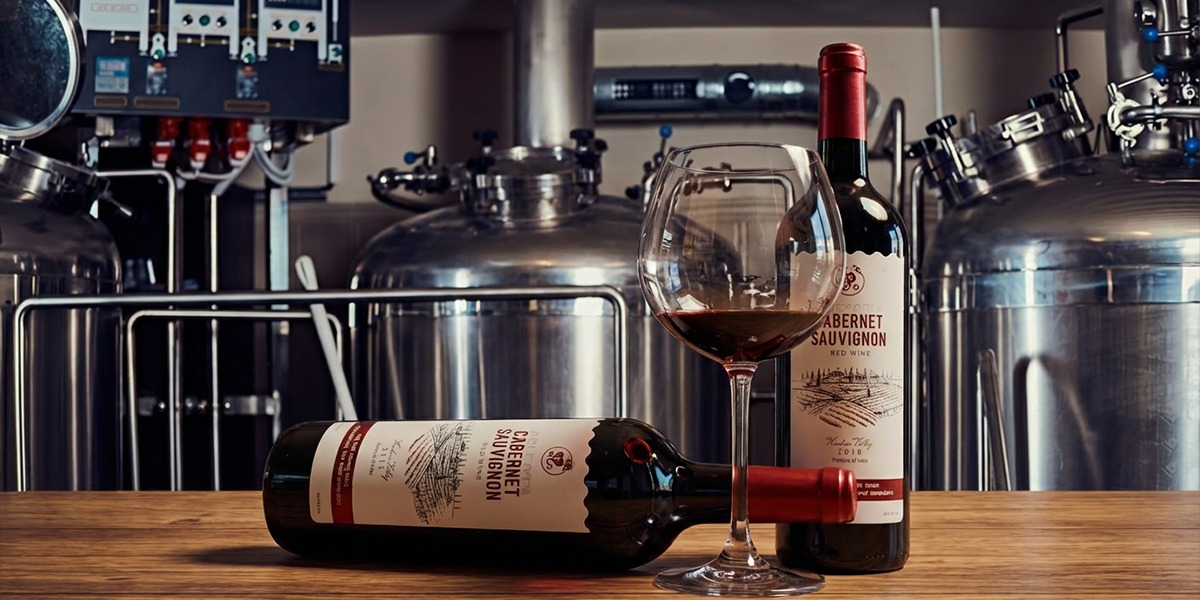
Modern winemaking blends tradition with technology to manage oxygen carefully. Stainless steel tanks, inert gases, and precision tools help control exposure, while older methods like barrel ageing remain valuable for texture and character. The goal is not to eliminate oxygen, but to guide it. Oxygen becomes a tool rather than a threat when handled with intention.
This balance between risk and reward defines oxygen’s role in wine. Used wisely, it brings harmony, softness, and depth. Used carelessly, it diminishes freshness and identity. This dual nature is what makes winemaking both art and science, where instinct and control work together.
At Rico Wine Park & Vineyards, vineyard experiences focus on helping visitors understand these unseen elements that shape wine character. Wine is not only about taste but about process, timing, and respect for natural forces. For those seeking the best vineyard in Bangalore, such insight elevates a visit from casual enjoyment to meaningful appreciation.
Great wine exists in the balance between exposure and protection. Oxygen shapes colour, aroma, and mouthfeel at every stage, demanding attention long after fermentation ends. Understanding this invisible influence transforms how wine is tasted, shifting focus from flavour alone to the craftsmanship behind it.