
Rico Winery wine colour is often the first thing people notice before they even take a sip. A pale golden white, a deep ruby red, or a soft rosé pink immediately sets expectations. But wine does not get its colour from added ingredients or artificial methods. Its shade is shaped naturally, beginning in the vineyard and evolving through the winemaking process. Understanding how colour develops adds depth to every tasting experience.
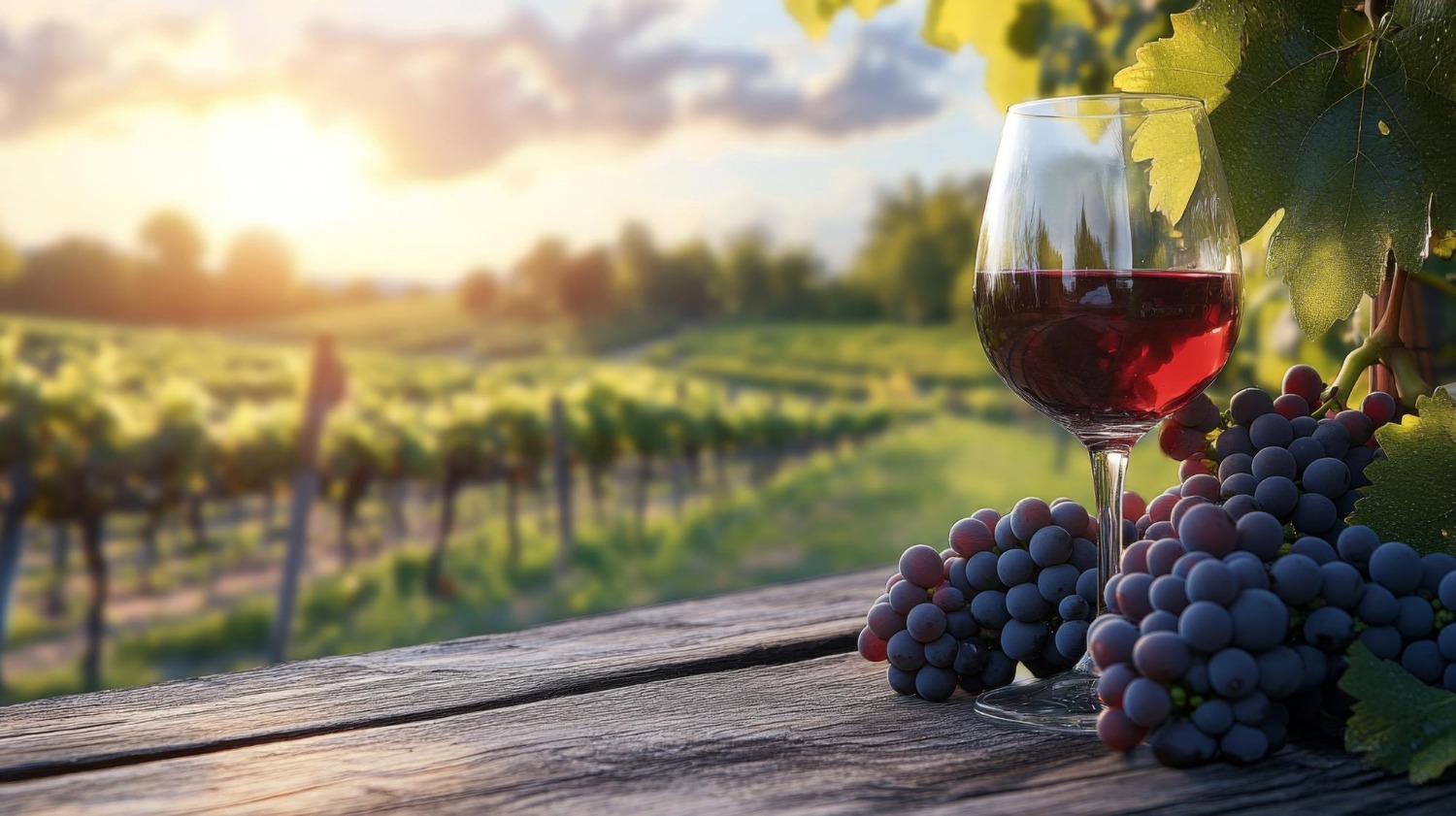
The journey starts in the vineyard. Grapes contain pigments in their skins, not in their juice. Most grape juice is actually clear, even for red grape varieties. The skin holds compounds called anthocyanins, which are responsible for red and purple hues. In a well-managed vineyard in Bangalore, grape ripeness and skin health play a key role in colour intensity. Sun exposure, soil composition, and harvest timing influence how vibrant those pigments become.
When grapes are crushed, the winemaker decides how long the juice stays in contact with the skins. This stage, known as maceration, determines colour extraction. Red wines remain in contact with skins for extended periods, allowing deep colour and tannin to develop. White wines, even if made from red grapes, are usually pressed quickly to avoid skin contact, resulting in lighter shades. Rosé wines fall somewhere in between, with limited maceration creating their soft pink tones.
Rico Winery on Fermentation and Colour Stability
Fermentation also affects colour stability. During fermentation, chemical reactions help bind pigments with tannins, preserving vibrancy. Temperature control is crucial at this stage. Warmer fermentation can extract more colour, while cooler temperatures maintain brightness and freshness. These choices influence not just appearance but texture and structure as well.
Ageing further transforms wine colour. Red wines gradually shift from deep purple to ruby, then to brick or garnet tones over time. White wines can deepen from pale straw to rich gold as they age. Oxygen exposure and storage conditions contribute to this evolution. Learning about these changes adds insight to a vineyard tour Bangalore, where visitors see how colour reflects both time and technique.
Climate plays a significant role in pigmentation. Grapes grown in warmer climates tend to produce wines with deeper colour due to thicker skins and higher pigment concentration. Cooler climates may yield lighter, more delicate shades. In regions like Bengaluru, temperature variations between day and night help balance ripeness and colour development, contributing to structured yet fresh wines.
Soil health also influences vine strength and grape quality. Healthy vines produce grapes with balanced acidity and concentrated skins, enhancing colour intensity naturally. Visitors searching for vineyards near me often discover that vineyard management practices directly affect what they see in the glass.
Rico Winery Focuses on Balanced Colour Extraction
Modern winemaking techniques allow careful monitoring of colour extraction. However, winemakers aim for balance rather than intensity alone. Too much extraction can create harshness, while too little may result in thin structure. The goal is harmony between appearance, aroma, and taste.
Colour also influences perception. Deep reds are often associated with bold flavours, while lighter shades suggest freshness and subtlety. Although colour does not dictate taste entirely, it shapes expectation before the first sip. Understanding this connection enhances appreciation and confidence during tasting.
At Rico Wine Park & Vineyards, vineyard experiences help guests understand how natural factors like sun, soil, and grape skin contact shape wine from start to finish. Colour becomes more than visual appeal; it becomes evidence of careful cultivation and thoughtful craftsmanship.
Exploring the best vineyard in Bangalore becomes an enriched experience when understanding how a wine’s colour develops. The visual story of a wine—reflecting its climate, the timing of the harvest, and the duration of bottle ageing—unfolds through every stage, from the grape skin to the fermentation tank. This colour offers key insights long before the wine’s flavour is tasted.
Wine may begin as clear juice, but through careful decisions and natural processes, it becomes a spectrum of shades. From vineyard to glass, colour reflects the journey, offering the first glimpse into the character waiting within.