
Rico winery. Winemaking has always lived at the intersection of history and experimentation. Ancient practices form its foundation, while modern techniques continue to reshape how wine is made and understood. The most compelling wines emerge when tradition and innovation are not treated as opposites, but as complementary forces working toward the same goal: balance, quality, and expression.
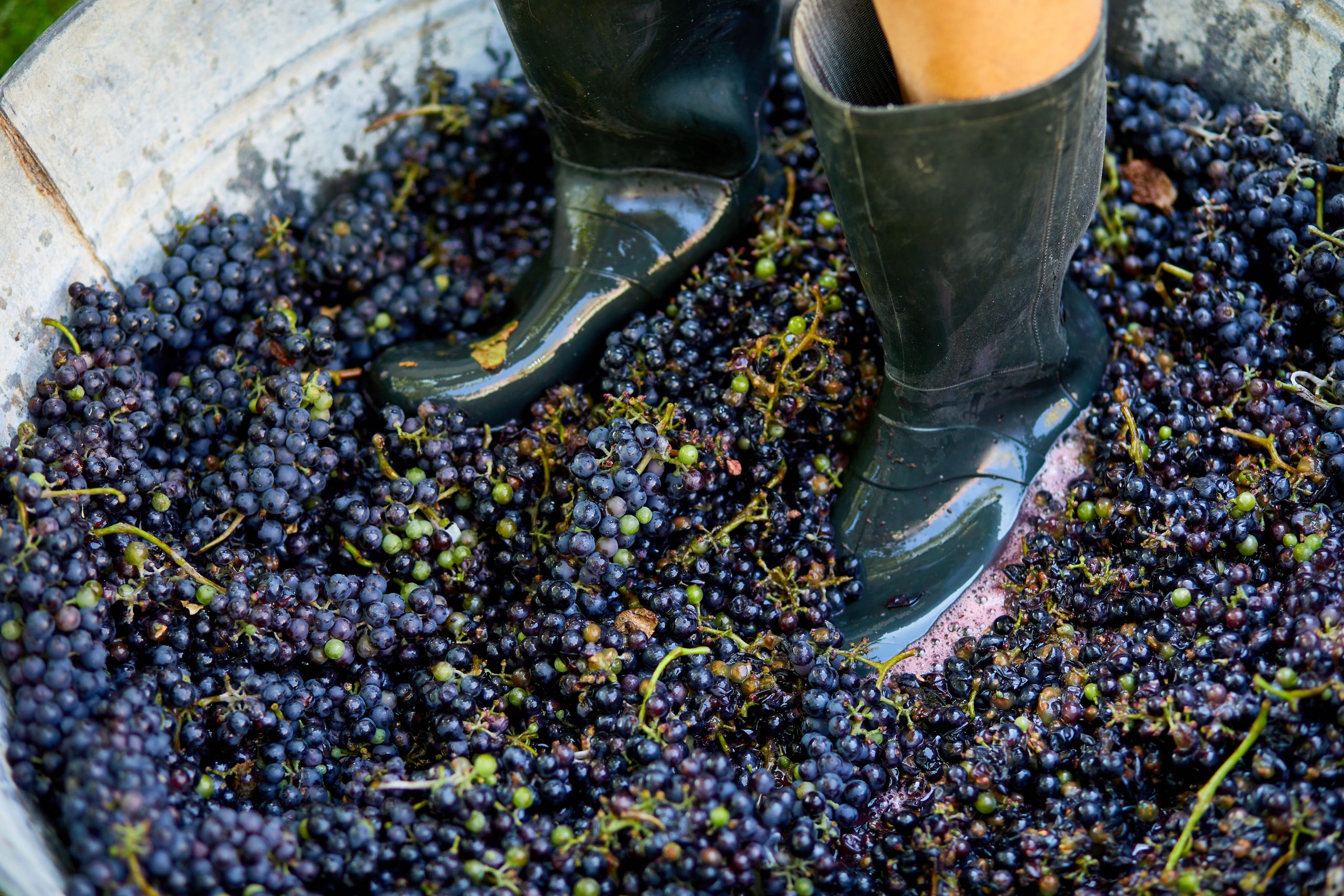
Tradition in winemaking begins with respect for natural processes. From understanding soil behaviour to observing seasonal patterns, traditional practices rely on patience and close attention to the vineyard. Hand harvesting, careful fruit selection, and slow fermentation methods have been passed down for generations because they work. These methods allow grapes to express their origin without interference, creating wines that feel grounded and authentic.
At the same time, tradition alone is not enough to meet the expectations of today’s wine drinkers. Climate variability, evolving tastes, and the demand for consistency require innovation. Modern winemaking embraces technology not to replace tradition, but to refine it. Temperature-controlled fermentation, precision monitoring, and improved hygiene standards help preserve freshness and reduce risk, ensuring that quality remains consistent without stripping wine of its character.
How Rico Winery Balances Tradition with Modern Techniques
The balance lies in knowing when to intervene and when to step back. Innovation provides tools, but judgement determines how they are used. Fermentation tanks, for example, allow winemakers to control temperature accurately, preventing unwanted aromas and preserving delicate flavour compounds. Yet fermentation itself remains a natural process guided by yeast and time. Technology supports the wine rather than dominating it.
Innovation also plays a role in sustainability. Modern vineyard practices focus on water management, soil health, and reduced chemical intervention. These approaches echo traditional respect for land while applying contemporary research to protect it. Healthy vineyards lead to healthier grapes, which ultimately require less manipulation in the cellar.
For visitors exploring a vineyard in Bangalore, this balance becomes visible in every stage of the experience. From vineyard walks to cellar insights, guests begin to see how old techniques coexist with modern equipment. A vineyard tour Bangalore becomes more than a guided walk; it becomes an education in how wine evolves with time without losing its roots.
Consumer expectations have also shaped innovation. Today’s wine lovers seek transparency, storytelling, and authenticity. They want to know how wine is made and why certain choices matter. This has encouraged winemakers to rethink presentation and experience, creating spaces where learning is as important as tasting. Visitors searching for vineyards near me often value this openness as much as the wine itself.
Blending tradition and innovation also influences style. Traditional methods provide structure and depth, while modern techniques help fine-tune texture, clarity, and balance. The result is wine that feels expressive rather than excessive. Innovation allows winemakers to respond to each harvest individually, adjusting processes without compromising identity.
Rico Winery’s Philosophy of Crafting Balanced Wines
This philosophy is reflected in the approach at Rico Wine Park & Vineyards, where winemaking respects established practices while embracing thoughtful progress. The focus remains on understanding raw material first, then using modern tools only when they enhance clarity and balance. Wine here is guided, not forced.
Balancing tradition and innovation requires restraint. Not every new technique improves wine, just as not every old method suits modern conditions. The craft lies in discernment. Winemakers who succeed in this balance treat innovation as refinement, not reinvention. They allow tradition to anchor their decisions while using technology to adapt responsibly.
Wine culture continues to evolve, shaped by both heritage and curiosity. The most memorable wines are those that honour where they come from while remaining open to change. For those seeking the best vineyard in Bangalore, this harmony between past and present often defines the experience, offering wines that feel rooted, relevant, and thoughtfully made.
The true essence of balancing tradition and innovation in winemaking lies not in choosing one over the other, but in fostering a continuous dialogue between them. This interaction is vital because it grants wine greater depth, resilience, and inherent meaning. It is this ongoing conversation that sustains the art of winemaking, allowing each new generation to advance the craft while preserving the timeless qualities that define great wine.