
Rico Wine. Fruit wines occupy a unique space in the world of winemaking They bridge familiarity and innovation, offering flavours that feel approachable yet refined. Behind every well-crafted fruit wine lies a careful process that begins long before fermentation and ends only when balance is achieved in the glass. The journey from orchard to bottle is one of selection, patience, and precision.
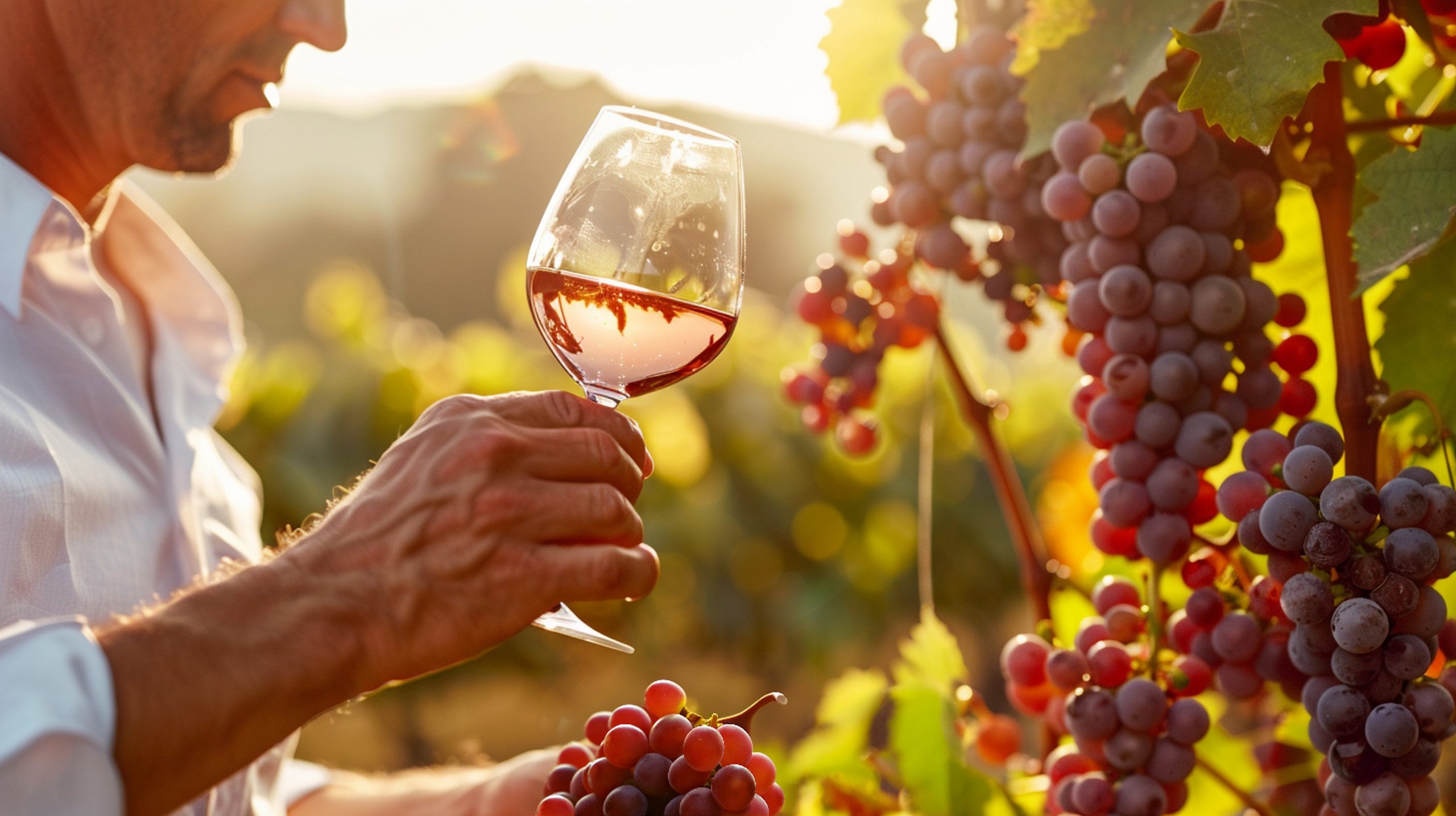
The foundation of any great fruit wine is the fruit itself. Ripeness matters deeply. Fruits must be harvested at the moment when sugar, acidity, and aroma are in harmony. Too early, and the wine lacks depth. Too late, and it risks heaviness. Winemakers evaluate texture, natural sweetness, and aromatic intensity before a single fruit is accepted. This attention at the orchard stage sets the tone for everything that follows.
Once selected, the fruit is gently processed to preserve its natural character. Crushing and pressing are done carefully to extract flavour without bitterness. Unlike grape wines, fruit wines require a deeper understanding of each fruit’s structure. Some fruits release flavour quickly, while others demand longer maceration to unlock complexity. Every decision here shapes the wine’s eventual personality.
Rico Wine The Unique Journey of Fruit Winemaking
Fermentation is where transformation begins. Yeast converts fruit sugars into alcohol, but temperature control and timing are critical. Too fast, and aromas are lost. Too slow, and freshness fades. Winemakers monitor fermentation closely, guiding it rather than forcing it. This stage determines whether a fruit wine feels vibrant and expressive or flat and one-dimensional.
Balance is the defining goal. Fruit wines must manage sweetness, acidity, and alcohol with precision. The best examples never feel syrupy or sharp. Instead, they show clarity, freshness, and structure. Acidity lifts the fruit profile, while controlled sweetness rounds the palate. Achieving this harmony often requires blending, resting, and repeated tasting until the wine finds its natural rhythm.
Aging plays a quieter but equally important role. Some fruit wines benefit from short periods of rest that allow flavours to integrate and textures to soften. During this time, sharp edges mellow, and aromatic layers emerge. The wine becomes more composed, revealing depth beyond initial fruitiness.
Rico Wine From Orchard Selection to Expert Fermentation
Crafted with this philosophy, fruit wines become more than alternatives to grape wine. They stand on their own, offering complexity, versatility, and approachability. This commitment to quality and process is evident in the fruit wines created at Rico Wine Park & Vineyards, where careful sourcing and thoughtful winemaking shape wines that feel polished yet authentic.
Recognition follows intention. Award-winning fruit wines are not accidents. They are the result of countless small decisions made with consistency and care. Judges respond to balance, clarity, and expression rather than novelty alone. When fruit wines earn acclaim, it reflects respect for craft as much as creativity.
For visitors, understanding this journey transforms tasting into appreciation. Each sip carries the story of selection, fermentation, and refinement. Fruit wines invite curiosity because they challenge expectations while remaining familiar. They show how innovation can coexist with discipline.
Wine today is as much about experience as flavour. Fruit wines expand that experience, welcoming new audiences while offering depth for seasoned drinkers. Their appeal lies in honesty. What you taste reflects what was grown, chosen, and carefully shaped.
Rico Wine Crafting Balance and Precision in Every Bottle
At Rico Wine Park & Vineyards, this orchard-to-glass approach defines how fruit wines are created and presented. The focus remains on respect for ingredients, control of process, and patience in execution. Every bottle reflects a belief that great wine begins long before fermentation and is perfected through balance rather than excess.
Fruit wines remind us that winemaking is not limited by tradition but guided by intention. When craft leads the way, fruit becomes more than flavour. It becomes an expression, offering wines that feel vibrant, thoughtful, and quietly confident in the glass.