
Wine’s Evolution Understanding Inside-Bottle Aging
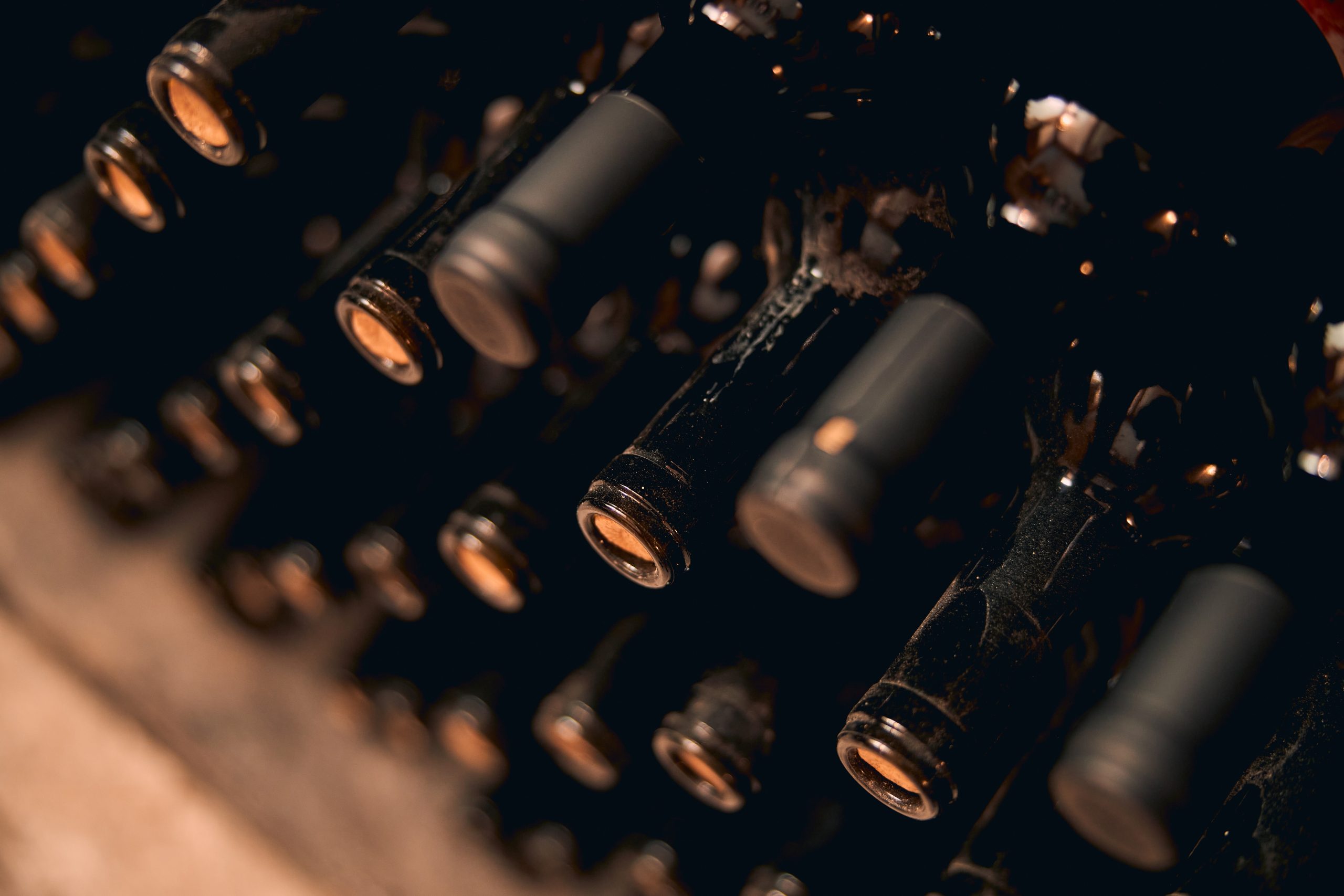
Wine’s Evolution does not stop evolving once it is bottled. In many cases, that is where its most fascinating transformation begins. Bottle aging is a slow, invisible process that reshapes aroma, texture, and structure over time. What starts as fresh fruit expression can gradually develop into layered complexity, revealing why patience plays such a central role in wine appreciation.
Inside a sealed bottle, wine continues to change through controlled chemical reactions. Oxygen still plays a role, but only in microscopic amounts. Even the best cork allows tiny traces of oxygen to enter over years. This slow interaction triggers oxidation at a very gentle pace, softening sharp edges and allowing flavours to integrate. Unlike aggressive exposure, this gradual process enhances harmony rather than diminishing freshness.
One of the most important changes during bottle aging is the evolution of aroma. Young wines often express primary aromas such as fresh fruit, citrus, or floral notes. As the wine ages, these give way to secondary and tertiary aromas. Nutty, honeyed, earthy, or spice-driven notes begin to emerge. This shift explains why older wines feel more complex and nuanced, even if they appear quieter at first sip.
Wine’s Evolution Tannin Softening and Texture Changes
Tannins also transform with time. In younger wines, tannins can feel firm or drying. As bottle aging progresses, tannin molecules bind together and precipitate, becoming smoother and more rounded. This is why aged wines often feel softer on the palate, with a refined mouthfeel rather than sharp intensity. Sediment found in older bottles is a natural result of this process and a sign of evolution rather than flaw.
Acidity plays a stabilising role during aging. Wines with good natural acidity age more gracefully because acidity preserves freshness and balance. This is one reason certain wines improve over years while others are meant to be enjoyed young. Understanding these differences adds depth to any vineyard tour Bangalore, where visitors begin to see wine as a living product shaped by time.
Temperature and storage conditions greatly influence how wine ages. Consistent, cool temperatures slow chemical reactions and allow wine to mature steadily. Excessive heat accelerates aging and can damage structure. Light exposure and vibration also interfere with the process. This is why cellars are dark, cool, and quiet environments designed to protect wine during its evolution.
Learning about bottle aging is essential for anyone visiting a vineyard in Bangalore, as it fundamentally alters how wine is tasted. The complex and subtle characteristics of a young wine often evolve, becoming more expressive and layered over time.Tasting wines at different stages helps visitors understand why winemakers talk about potential rather than immediate flavour. Wine is not just assessed by how it tastes today, but by how it might unfold tomorrow.
Bottle aging also explains why not all wines are meant to age. Some wines are crafted for freshness and early enjoyment. Others are built with structure, acidity, and concentration that allow them to develop over time. Recognising this difference helps those searching for vineyards near me choose experiences that offer education alongside tasting, turning curiosity into understanding.
Wine’s Evolution Modern Science Behind Aging Potential
Wine’s Evolution in Modern winemaking blends tradition with science to predict aging potential. Chemical analysis, tasting trials, and historical data guide decisions about which wines benefit from extended aging. Still, aging remains partly unpredictable. No two bottles evolve in exactly the same way, which is part of wine’s enduring fascination.
At Rico Wine Park & Vineyards, the vineyard experience underscores the appreciation for time and transformation, moving beyond mere enjoyment. Wine education offered here delves into how patience, proper storage, and balance are crucial factors that ultimately shape the wine in the glass, thereby enriching the visitor’s connection to the winemaking craft.
Bottle aging is a quiet dialogue between wine and time. Flavours soften, aromas deepen, and structure finds balance. Understanding this process shifts wine appreciation from instant judgement to long-term curiosity. For those seeking the best vineyard in Bangalore, insight into aging transforms tasting into a deeper exploration of how science, time, and care shape every bottle.